Understanding the ANSI B11 Machine Safety Standard in 2026
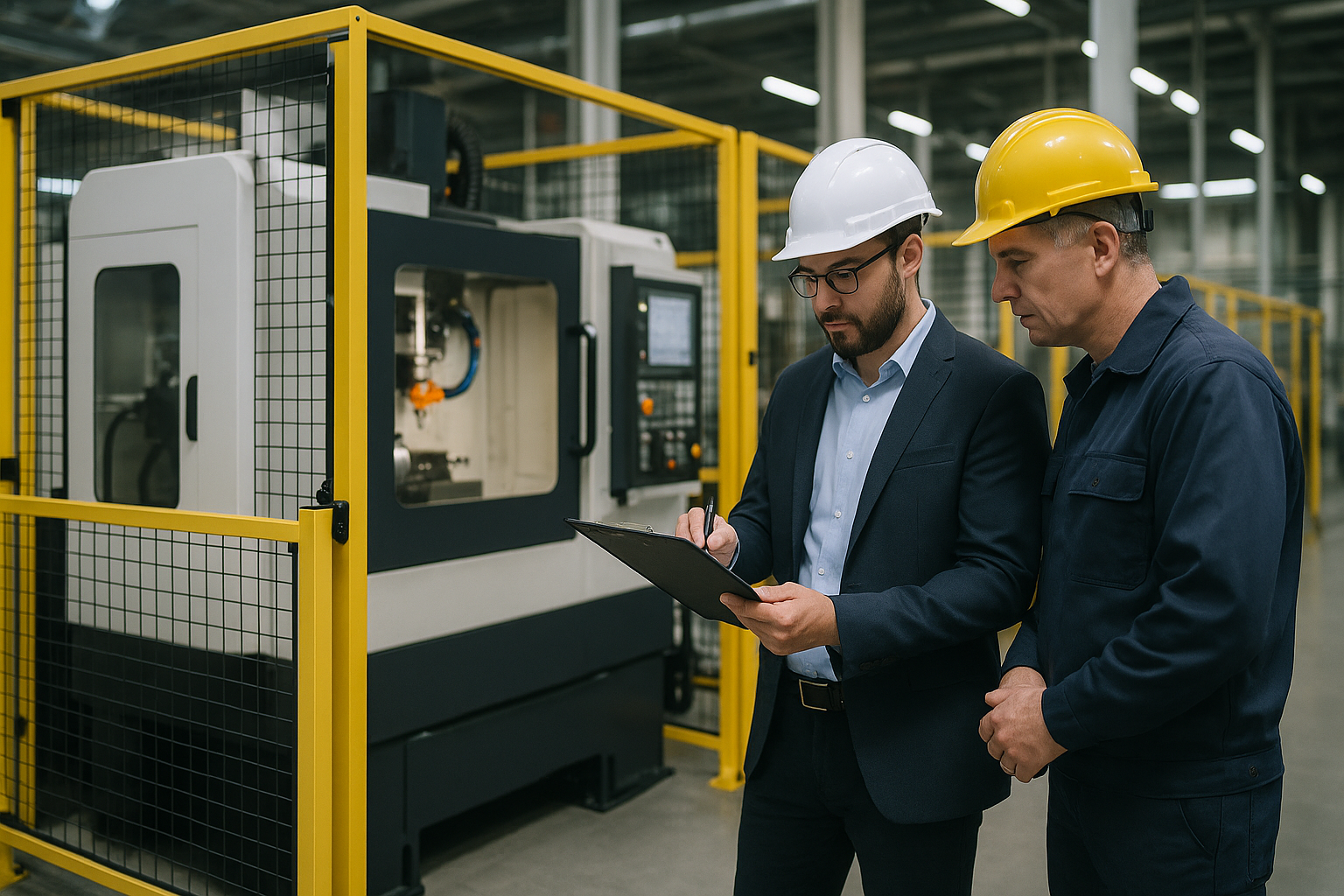
Learn how ANSI B11 supports machine guarding with a risk-based framework for selecting safeguards, reviewing tasks, and managing equipment changes.
Published: June 21, 2026 · By SafetyNet Editorial Team
Updated: June 27, 2026
Category: Industrial Safety
Frequently Asked Questions
What is ANSI B11 used for in machine safety?
ANSI B11 is a family of machine safety standards that helps teams evaluate machine hazards, choose safeguards, and manage safety through design, installation, operation, maintenance, and modification. It gives facilities a risk-based framework for real tasks, not just a basic guarding checklist.
Does ANSI B11 replace OSHA machine guarding or lockout/tagout requirements?
No. The post explains that B11 does not replace OSHA machine guarding requirements or lockout/tagout rules. Instead, it helps provide the structure and reasoning behind site-specific guarding and risk-reduction decisions.
What should a machine risk assessment include under ANSI B11?
A solid assessment looks at the tasks performed, who is exposed, the type and severity of hazards, how often exposure happens, whether the hazard can be avoided, and what guards, devices, procedures, and training already exist. It should also consider any changes to the machine, process, tooling, or production rate.
Where do facilities usually find machine safety gaps?
The post says many gaps show up during setup, cleaning, troubleshooting, changeover, fault recovery, and maintenance rather than normal production. Common trouble spots also include legacy equipment, retrofits, bypassed safeguards, weak change management, unclear ownership, and incomplete training.
How can an EHS manager start using ANSI B11 at a site?
A practical starting point is to inventory machines and tasks, prioritize higher-risk equipment, and complete documented risk assessments with operations, maintenance, and EHS involved. The post also recommends reviewing safeguards during real working conditions, tying guarding to LOTO and procedures, and triggering a safety review whenever equipment is modified.