Understanding the NIOSH Lifting Equation for Better Ergonomics
Learn how the NIOSH Lifting Equation helps EHS teams assess lifting tasks, identify risk drivers, and target practical ergonomics improvements.
Published: June 21, 2026 · By SafetyNet Editorial Team
Updated: June 27, 2026
Category: Industrial Safety
Frequently Asked Questions
What does the NIOSH Lifting Equation help you evaluate?
It helps you evaluate certain manual lifting tasks by estimating whether a lift may place too much stress on the body, especially the lower back. It gives you a recommended weight limit for a specific task and a lifting index that helps show relative risk.
What factors are included in the NIOSH Lifting Equation?
It looks at more than weight alone. The equation considers reach, lift height, vertical travel distance, frequency, duration, twisting, and the quality of the handhold on the object.
When should I use the NIOSH Lifting Equation?
It fits best for defined two-handed manual lifting tasks with a clear origin, destination, and pattern. Common examples include lifting boxes from pallets to conveyors, moving parts from bins to worktables, and handling packaged product in warehouse or assembly areas.
What tasks is the NIOSH Lifting Equation not the right tool for by itself?
It may not fully apply to one-handed lifts, carrying over long distances, pushing or pulling, seated or kneeling lifts, unstable loads, team lifts, or highly variable tasks. In those cases, it should be combined with direct observation, worker interviews, and a broader ergonomic review.
How do you use the NIOSH Lifting Equation results to improve ergonomics?
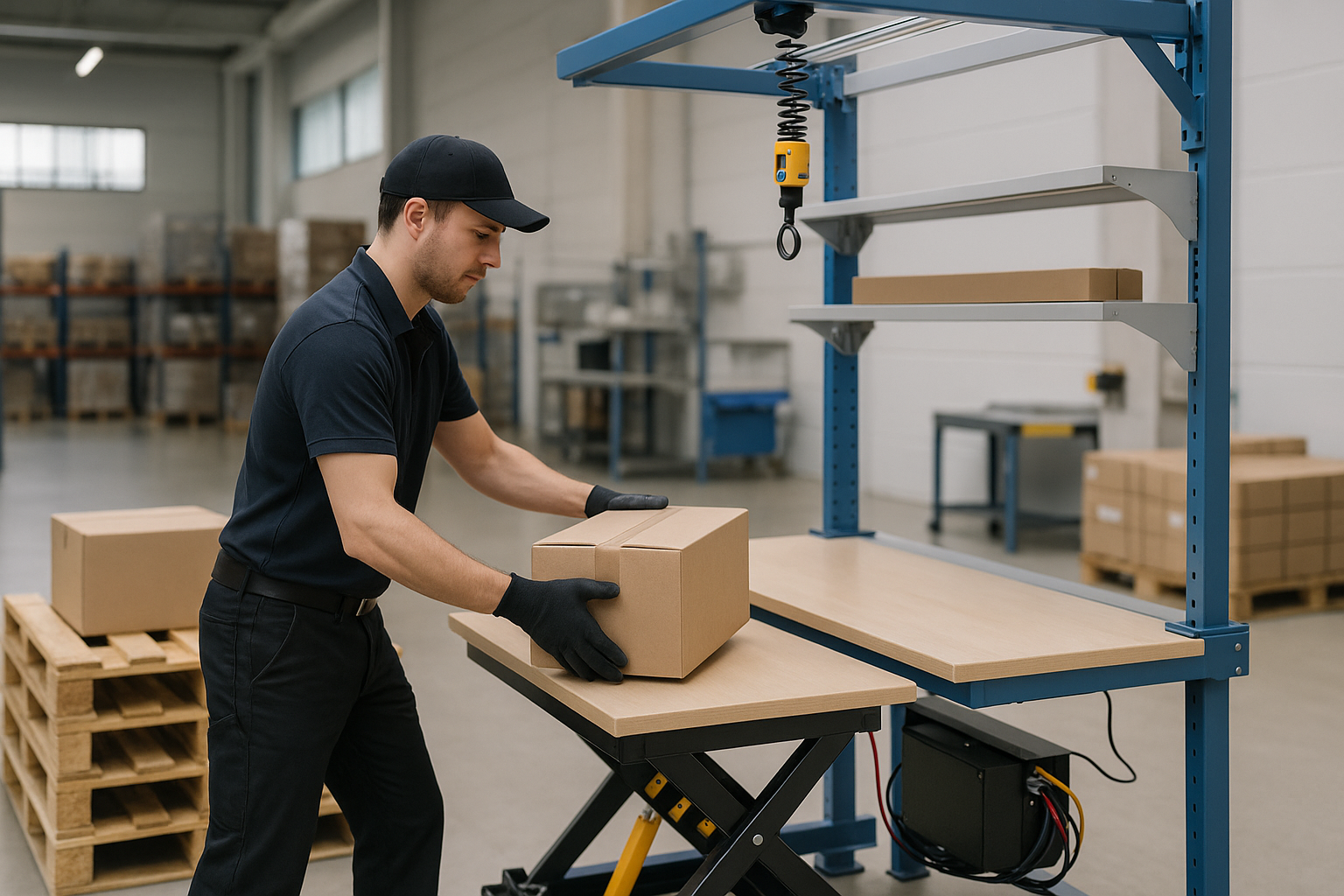
Use the results to identify which part of the task is driving the risk, then redesign the work. That can mean raising pallet height, bringing loads closer, reducing twisting, improving packaging or handholds, rotating tasks, or reducing manual handling through automation.