UST Leak Alarm Triggered? What Compliance Managers Should Do Next
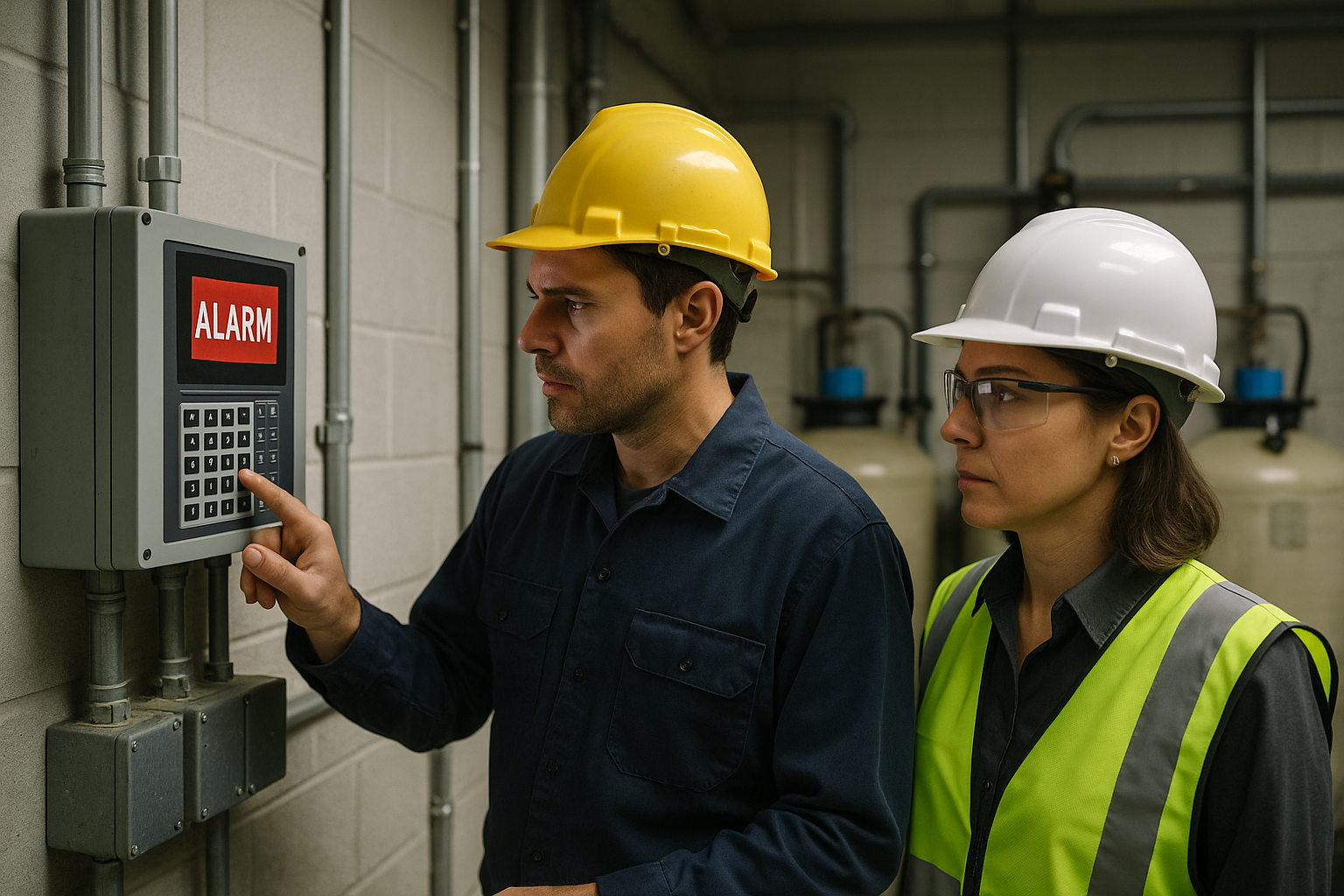
UST leak alarm triggered? Document the event, verify whether it is a release or monitoring failure, and restore compliant release detection fast.
Published: June 25, 2026 · By SafetyNet Editorial Team
Updated: June 27, 2026
Category: Industrial Safety
Frequently Asked Questions
What should I do first when a UST leak alarm goes off?
Treat it as a serious compliance event and document it right away. Record the date, time, tank ID, alarm type, and who received it, notify internal operations, maintenance, and EHS contacts, and pause nonessential product movement tied to the affected system until you understand the condition.
Does a UST leak alarm always mean there is an actual release?
No. The post explains that a leak alarm may reflect a valid alarm, a sensor or communication fault, a calibration issue, a secondary containment alarm, or a broader monitoring failure, so you need to troubleshoot before drawing conclusions.
How can I tell if the alarm is a false positive or a real compliance problem?
Review recent monitoring reports and alarm history, check for recent deliveries, maintenance work, or power events, and inspect sumps, containment areas, and accessible components for liquid or damage. If the cause is not obvious, contact your monitoring vendor or service technician and preserve a clear record of what happened.
What if the leak detection system is down or not working correctly?
You may still have a compliance issue if required release detection is impaired. Document when the failure began or was discovered, identify what equipment is affected, arrange repairs or replacement quickly, and keep records of service, findings, parts replaced, and return-to-service verification.
When does a UST leak alarm need to be reported to regulators?
The alarm itself is not always reportable, but reporting may be needed if follow-up shows evidence of a release, records suggest a product loss, liquid is found where it should not be, the condition remains unresolved, or your state or local agency requires notification. For California sites, the post recommends coordinating early with your CUPA because local requirements and forms can vary.