Utility-Scale Solar Safety: Managing DC, Heat, and Terrain Risks in 2026
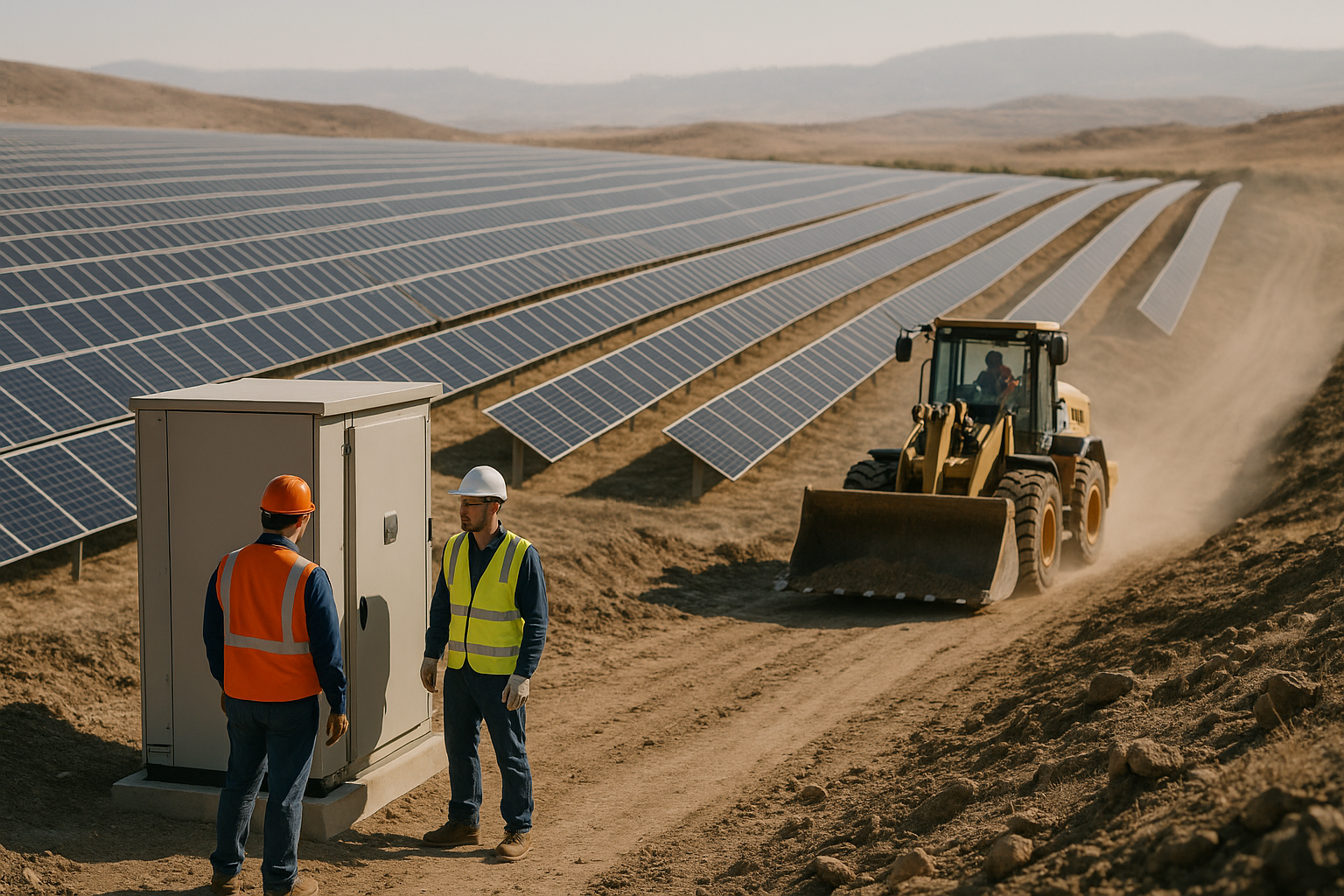
Manage utility-scale solar safety in 2026 with practical controls for high-voltage DC, heat illness, uneven terrain, and contractor coordination.
Published: June 27, 2026 · By SafetyNet Editorial Team
Category: Industrial Safety
Frequently Asked Questions
What makes utility-scale solar sites riskier than other job sites?
These sites combine high-voltage DC work, heat exposure, uneven terrain, remote conditions, and multiple contractors in one place. That mix can increase the chance of electrical incidents, heat illness, equipment events, and communication gaps if the site is not managed as one system.
How should crews control high-voltage DC hazards on a solar farm?
The post recommends clear energized work planning, verified isolation, test-before-touch, barricades, task-specific PPE, and qualified workers. It also stresses treating every enclosure as energized until it is verified otherwise and making sure contractors follow the same electrical safety process as site employees.
What should a heat illness prevention plan include for a remote solar site?
It should include a heat trigger process, acclimatization steps, water, shade, and rest close to the work, supervisor training, reliable emergency communication, and a transportation plan for getting an ill worker to care. The goal is to make sure the plan works in the field, not just on paper.
How can solar sites reduce heavy equipment risks on uneven ground?
Practical steps include pre-task route assessments, daily ground checks after weather changes, defined travel lanes, spotter and communication rules, and load limits based on actual site conditions. The post also calls for stop-work authority when wind, mud, or unstable terrain changes the operating envelope.
Which standards are referenced for utility-scale solar safety planning?
The post points to OSHA 29 CFR 1926.960 as an important reference for construction activities tied to power systems. It also says NFPA 70E is a key framework for electrical safe work planning, setting boundaries, and protecting workers from shock and arc-related hazards.