Warehouse and Logistics Safety in 2026: OSHA, NFPA, ANSI, and Environmental Rules
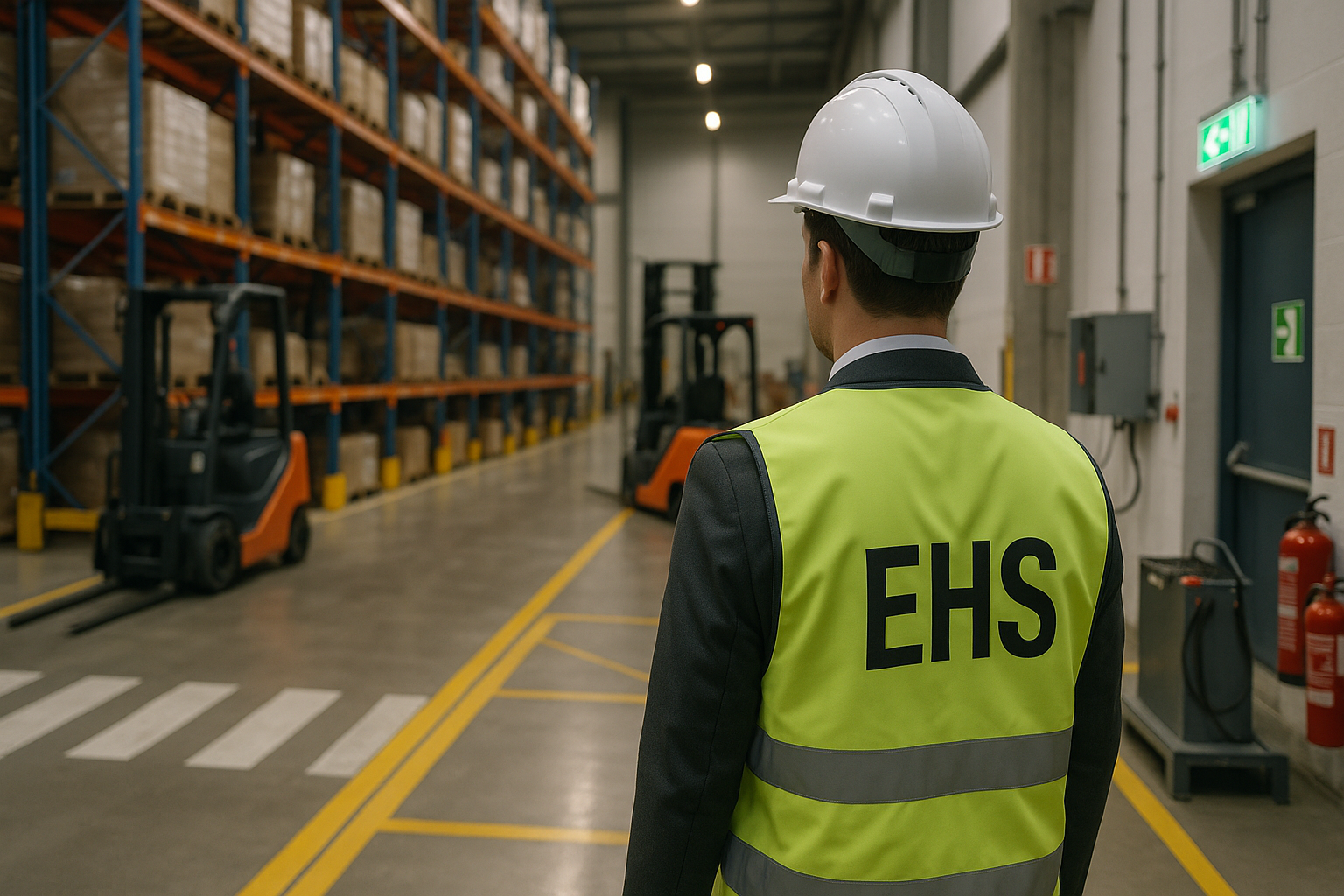
Warehouse safety in 2026 starts with OSHA rules, NFPA and ANSI practices, plus clear procedures for forklifts, egress, storage, and spills.
Published: July 1, 2026 · By SafetyNet Editorial Team
Category: Industrial Safety
Frequently Asked Questions
Is there one OSHA standard that covers all warehouse safety requirements?
No. Warehouse compliance usually comes from several general industry standards, including material handling, powered industrial trucks, fire protection, and emergency planning.
What warehouse hazards should EHS managers prioritize first?
Start with forklift and pedestrian interaction, storage and stacking stability, housekeeping, exit access, and battery or chemical handling areas. These are common points where injury risk and compliance gaps overlap.
Why do NFPA and ANSI standards matter if OSHA is the main regulator?
They help define recognized good practice for issues like fire protection, egress, and powered industrial truck use. In practice, they support safer layouts, procedures, and equipment decisions.
Does environmental compliance really apply to warehouses that do not manufacture products?
Yes. Warehouses often handle batteries, oils, cleaners, fuels, and wastes that require storage controls, labeling, spill response, and proper disposal practices.
How often should a warehouse safety program be reviewed?
Review it whenever equipment, layouts, staffing, or inventory profiles change, and use regular inspections to keep controls current. Fast-moving operations need the program to be updated as conditions shift.