What Meatpacking Employers Can Learn From OSHA Region 7’s 2024 Focus
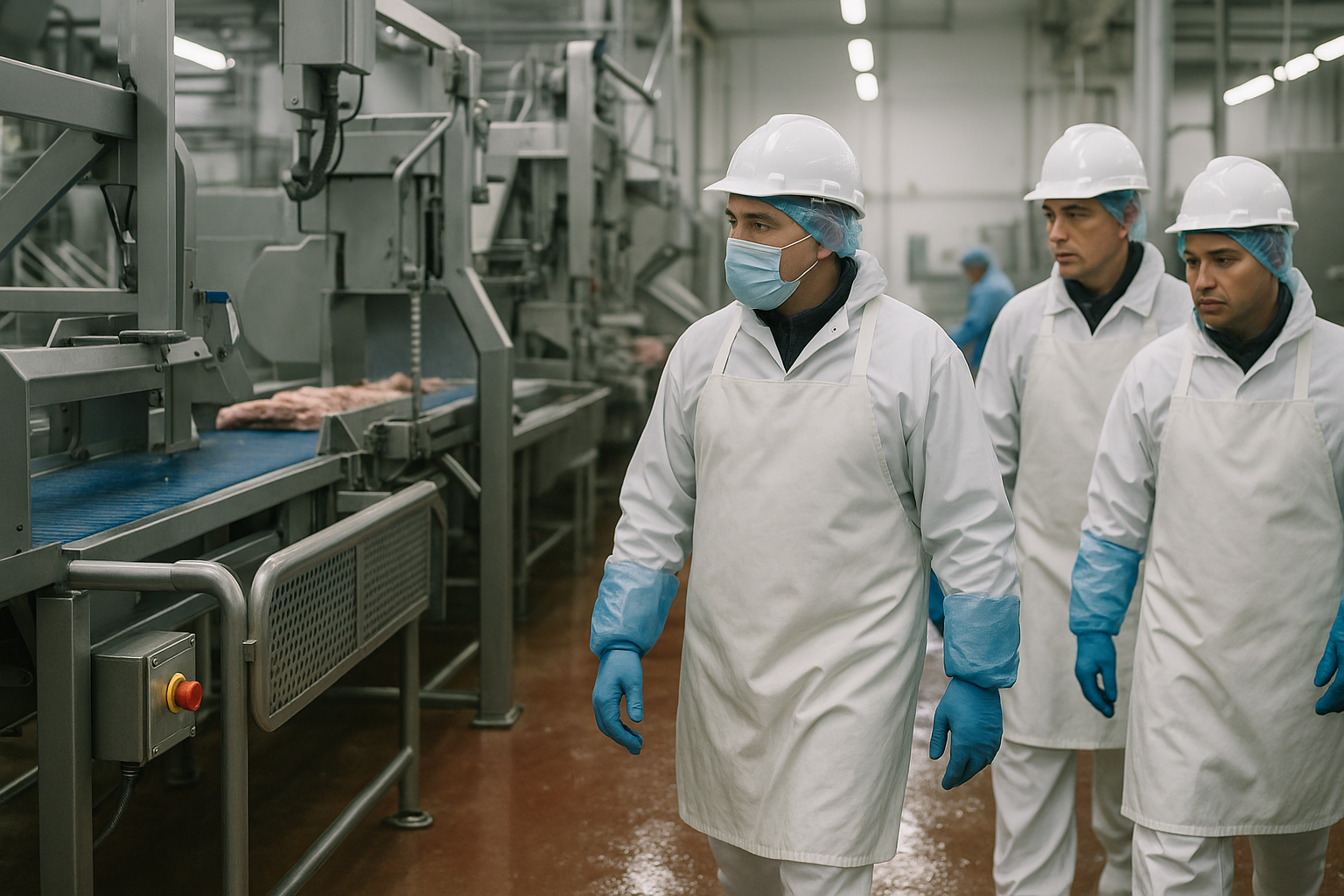
Use OSHA Region 7’s 2024 meatpacking focus as a practical checklist to review guarding, lockout/tagout, ergonomics, and sanitation.
Published: June 28, 2026 · By SafetyNet Editorial Team
Category: Industrial Safety
Frequently Asked Questions
Does OSHA Region 7’s local emphasis program matter if my plant is in another state?
Yes. Even outside Region 7, it is a strong signal of the hazards OSHA sees as recurring in meatpacking and processing, especially machine guarding, lockout/tagout, ergonomics, and sanitation-related risks.
What tasks should we review first in a meat processing facility?
Start with tasks involving blades, conveyors, rollers, mixers, packaging equipment, jam-clearing, sanitation, and any work that requires guard removal or access into danger zones. Also review repetitive knife work and manual handling tasks.
Why are sanitation tasks so important in this enforcement focus?
Sanitation often involves wet floors, chemicals, reduced supervision, and work around equipment during cleanup or off-shift periods. Those conditions can overlap with lockout, guarding, and slip hazards.
What does OSHA expect from a lockout/tagout program in this industry?
OSHA expects hazardous energy to be isolated before employees service, clean, unjam, or enter dangerous areas of equipment. The program should include equipment-specific procedures, authorized employees, and a step to verify isolation before work starts.
How should we prepare for a possible inspection based on this emphasis program?
Conduct a field-level review of high-risk tasks, confirm written procedures match real work practices, and check that training, supervision, and corrective actions are consistent across production, maintenance, and sanitation.