Why AI Won’t Replace EHS Consultants—And Why Your Program Needs Both
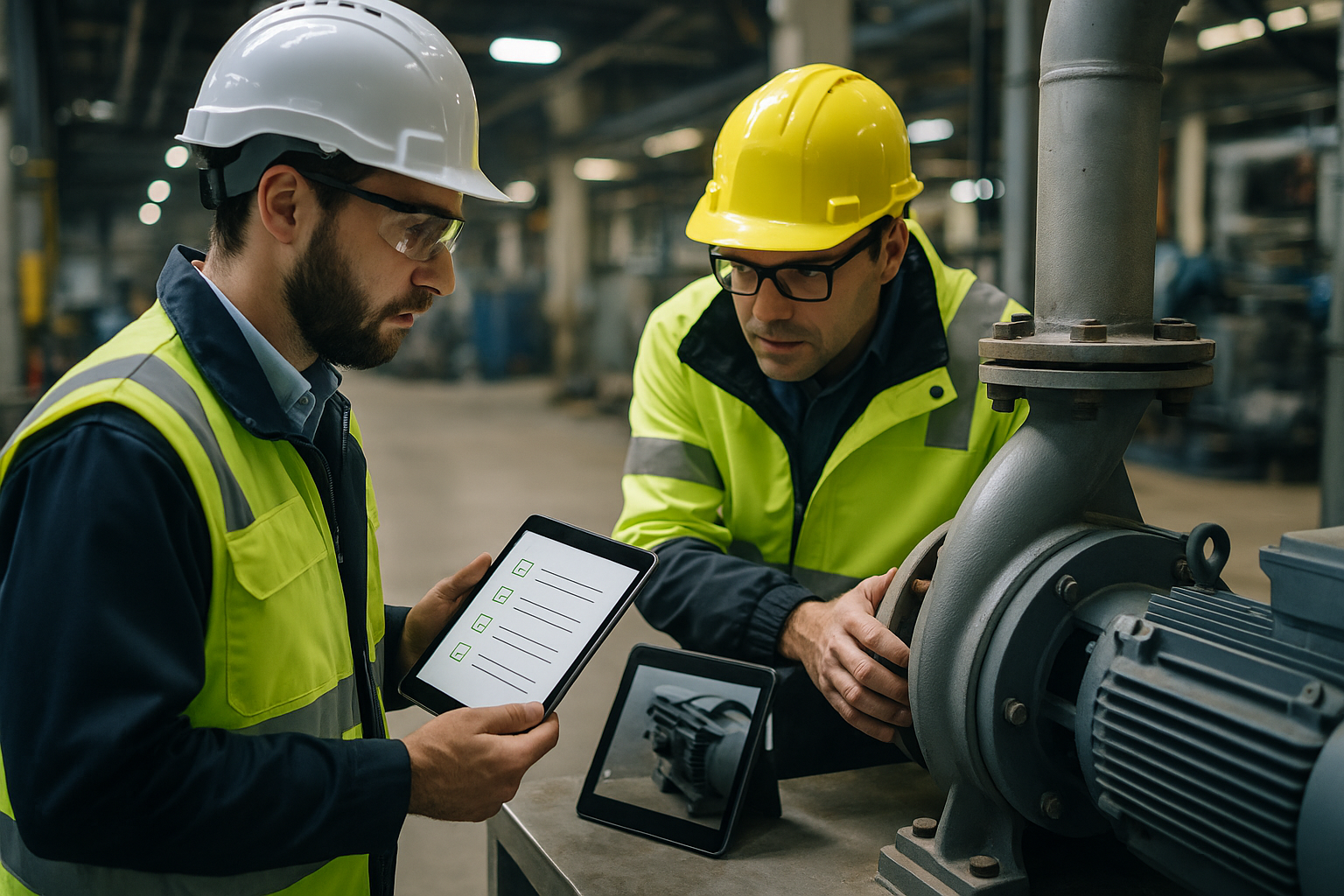
AI can speed up EHS paperwork, but it can’t replace field observation or task-level hazard assessments. See why both matter in 2026.
Published: July 16, 2026 · By Steven Brooks
Updated: August 9, 2026
Category: Industrial Safety
Frequently Asked Questions
Can AI handle my EHS program by itself?
No. AI can help with drafting, organizing, and summarizing information, but it cannot observe your work in the field or verify whether controls match real operating conditions.
Why are Job Hazard Assessments so important for compliance?
They translate broad EHS requirements into task-level steps, hazards, and controls. That makes procedures more usable for crews and helps keep written programs aligned with actual work.
What does a professional EHS consultant add that AI cannot?
A consultant can observe tasks, interview workers, identify non-routine exposures, and judge whether a control will actually work on your site. That field judgment is critical for both safety and compliance.
Is it still worth using AI in EHS?
Yes, as a support tool. It is useful for administrative speed, document review, and information handling, but it should not replace human hazard recognition or compliance judgment.
When should we revisit our JHAs?
Revisit them when tasks change, equipment changes, staffing changes, or temporary workarounds become common. High-risk jobs also need regular review so the document stays tied to current practice.