Why Ergonomic Assessments Are Essential in Construction
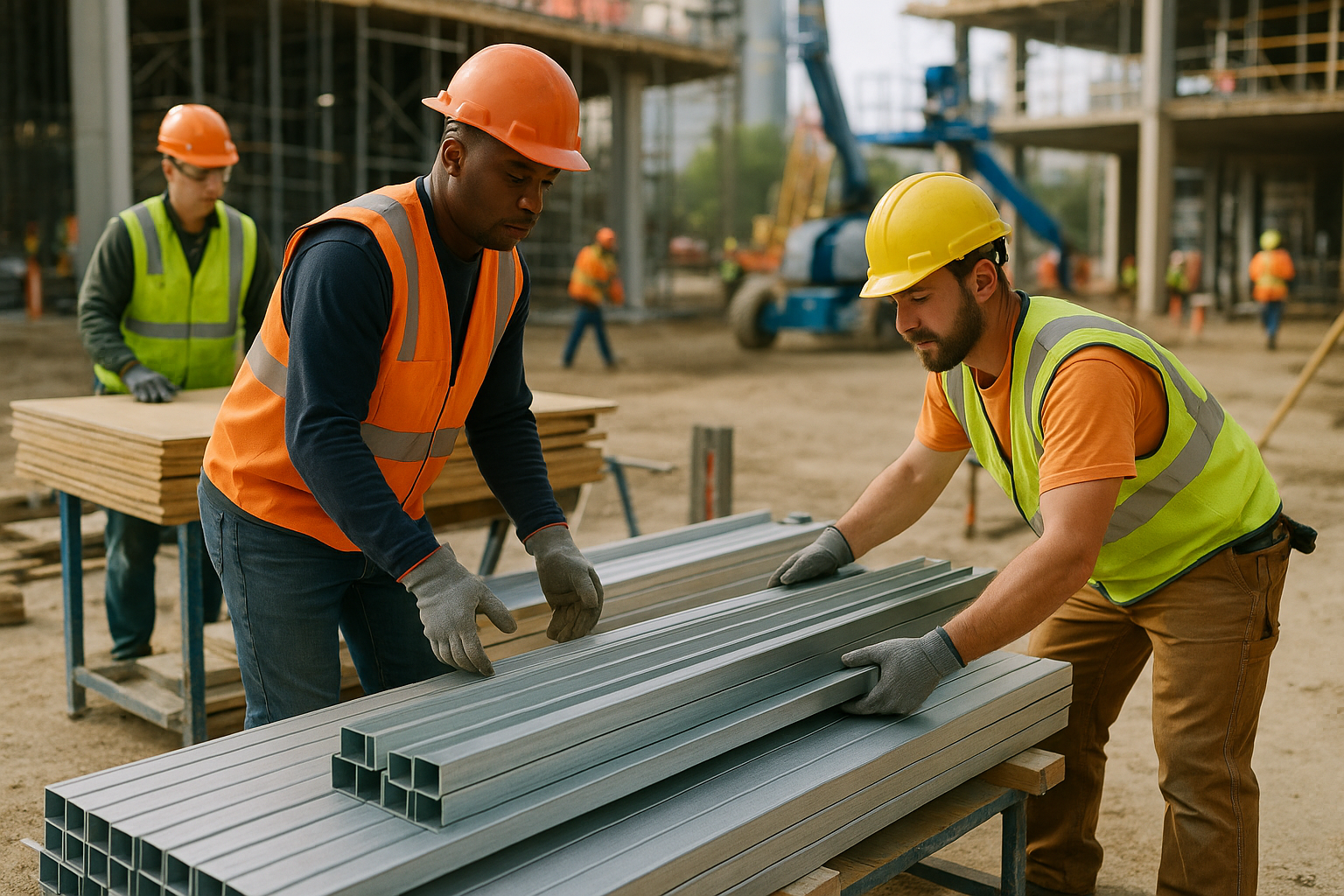
Ergonomic assessments help construction teams identify strain risks early, improve task design, and reduce injuries, fatigue, and jobsite delays.
Published: July 12, 2026 · By SafetyNet Editorial Team
Updated: August 9, 2026
Category: Industrial Safety
Frequently Asked Questions
What is the main purpose of an ergonomic assessment in construction?
Its main purpose is to identify how force, posture, repetition, duration, and site conditions create physical strain in real construction tasks. That gives supervisors and safety leaders clear actions to reduce musculoskeletal risk.
Are ergonomic assessments only useful after someone gets hurt?
No. They are most useful when used early to spot high-risk tasks before strains and sprains become recordable cases or cause schedule disruption.
What kinds of construction tasks should be assessed first?
Start with tasks involving heavy manual handling, overhead work, awkward postures, repetitive installation cycles, or intensive hand-tool use. Also look at work that crews consistently describe as fatiguing or difficult.
Is worker lifting training enough to control ergonomic risk?
Not by itself. Training can help, but the article emphasizes that better task design, material flow, access, staffing, and tool selection are usually more effective controls.
How can EHS managers make construction ergonomics part of normal operations?
Build it into pre-task planning, field observations, incident reviews, and purchasing decisions. The process should include worker input, task prioritization, and follow-up when work methods or site conditions change.