Why Human-in-the-Loop EHS Decisions Matter in 2026
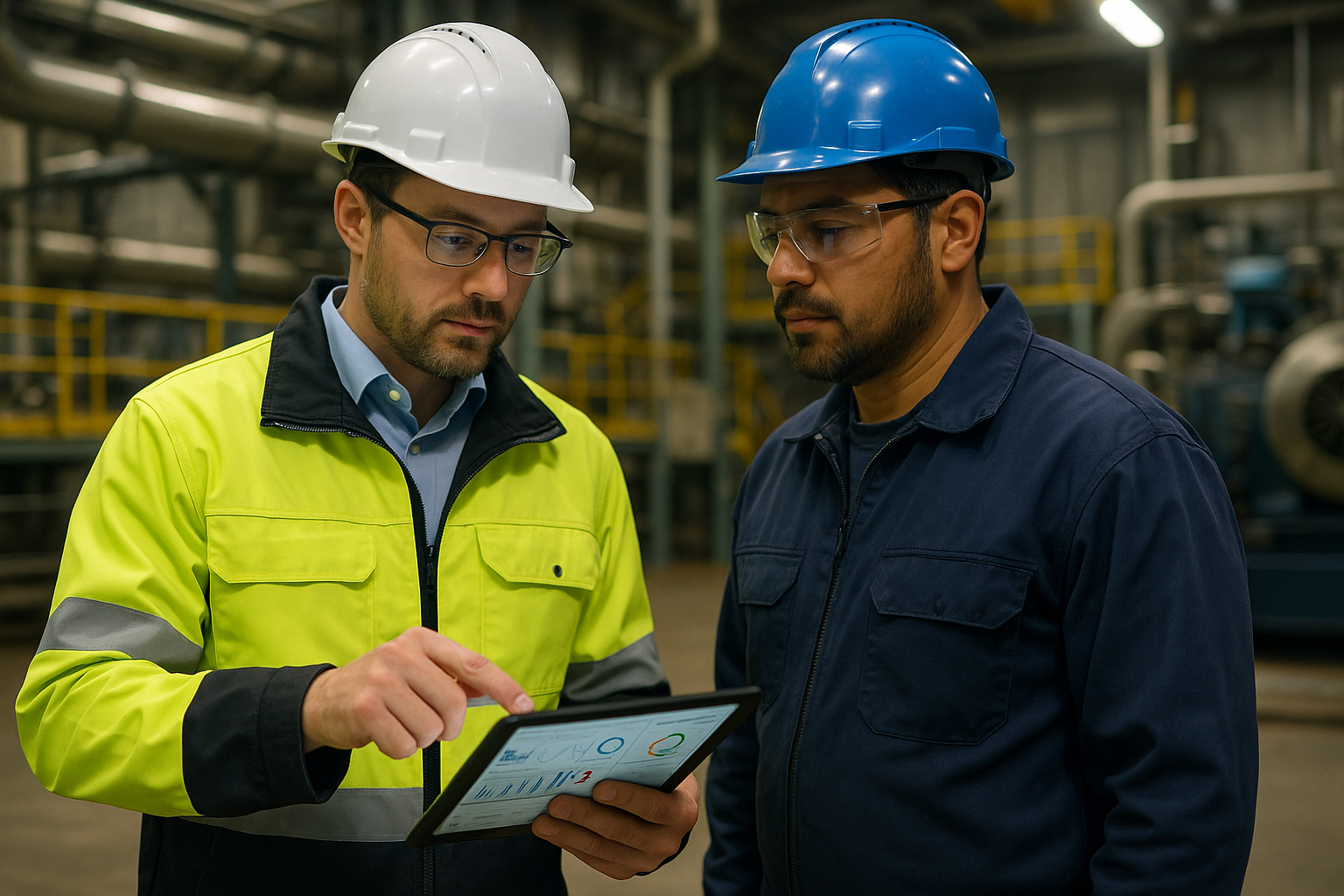
AI can support EHS work, but human review is still required for hazard decisions, recordkeeping, training, and OSHA compliance sign-off.
Published: August 10, 2026 · By Steven Brooks
Category: Industrial Safety
Frequently Asked Questions
Can AI run my safety program by itself?
No. AI can support reporting, trending, reminders, and organization, but employer duties under OSHA still require human judgment, verification, and accountability.
What parts of EHS are safest to automate?
Administrative tasks are the best fit, such as sorting incident reports, spotting repeated findings, tracking due dates, and organizing compliance records for human review.
Do I need human review for incident recordkeeping decisions?
Yes. Under 29 CFR 1904, the employer is responsible for accurate recording and reporting decisions, so AI-generated suggestions should be reviewed and approved by a knowledgeable person.
Why is field verification so important if software shows a corrective action is closed?
Because a closed record is not the same as a controlled hazard. High-risk items such as lockout/tagout, guarding, PPE, and training effectiveness must be confirmed against real workplace conditions.
How does software help without replacing safety judgment?
It improves visibility and consistency by centralizing incidents, audits, corrective actions, and training records. That helps managers focus their time on review, verification, and follow-up instead of manual tracking.