Why Workers Take Risks and Why Near Miss Reporting Matters
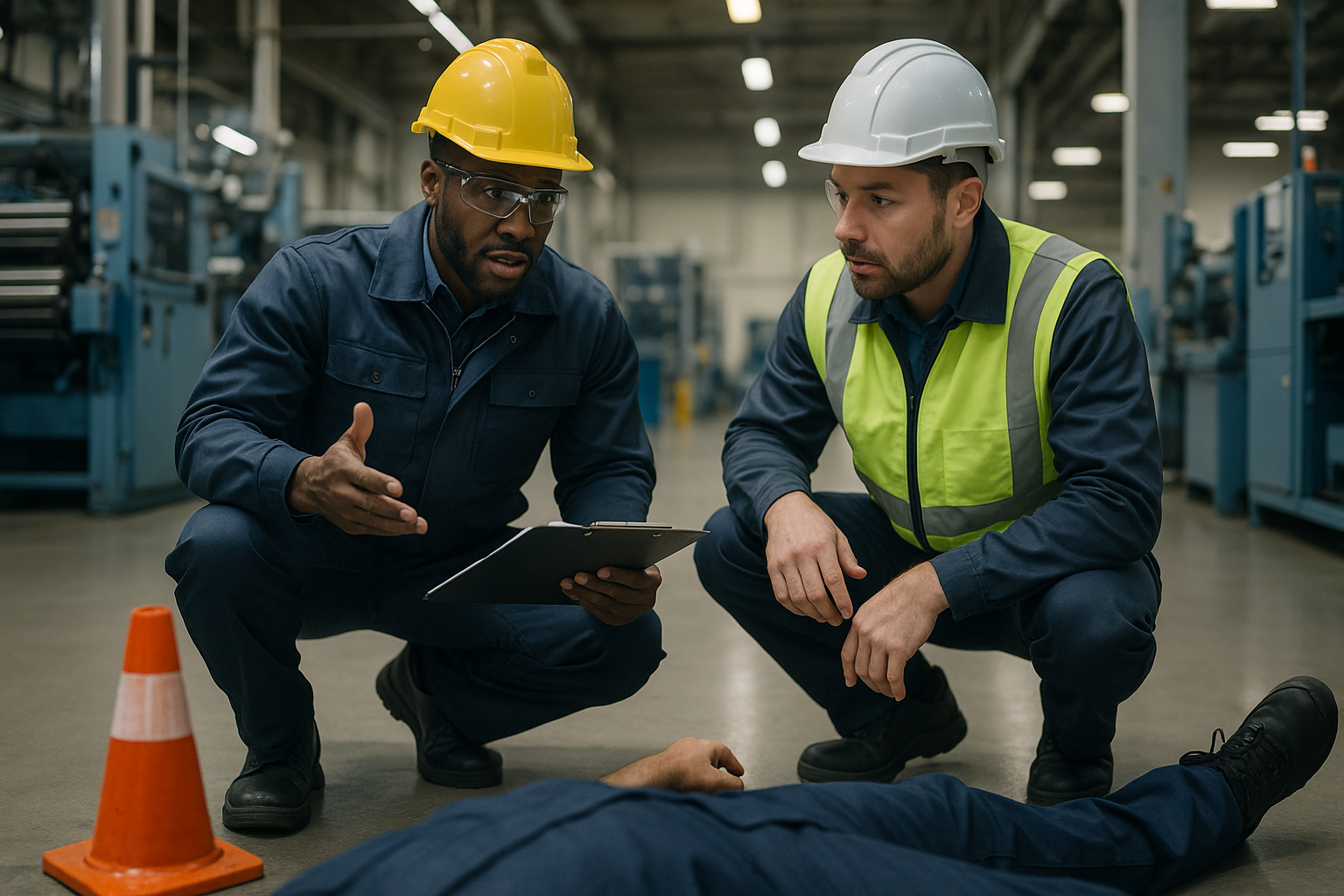
Learn why workers take risks and how near miss reporting helps EHS leaders spot weak controls, reduce exposure, and prevent injuries early.
Published: June 15, 2026 · By SafetyNet Editorial Team
Updated: August 9, 2026
Category: Industrial Safety
Frequently Asked Questions
Why do workers take risks on the job?
The post explains that risky behavior is often a symptom of system issues, not just a discipline problem. Common causes include production pressure, normalized shortcuts, poor design, unclear or impractical procedures, incomplete training, weak supervision, and fatigue or stress.
Why is near miss reporting so important for EHS managers?
Near miss reports act as early warnings before a recordable injury happens. They help EHS teams find recurring hazards, weak controls, and gaps between written procedures and real work conditions.
Why don't workers report near misses?
Workers often stay quiet because they fear blame or discipline, think nothing will change, or see the process as too complicated and time-consuming. Unclear definitions, inconsistent supervisor responses, lack of feedback, and cultural pressure also reduce reporting.
How can we get more employees to report near misses?
The post recommends making reporting simple and fast, offering verbal, digital, and paper options, and training supervisors to respond calmly and constructively. It also says to thank employees for reporting, share what was found, and show what changed so reporting feels worthwhile.
What should we do with near miss reports after they are submitted?
The value comes from reviewing reports promptly, gathering basic facts, and looking for repeat exposures across departments or shifts. Corrective actions should address underlying issues like equipment, process, layout, training, or supervision, followed by communication so employees see closure.