Wildfire Smoke and Indoor Air Intakes: HVAC Compliance for Commercial Facilities
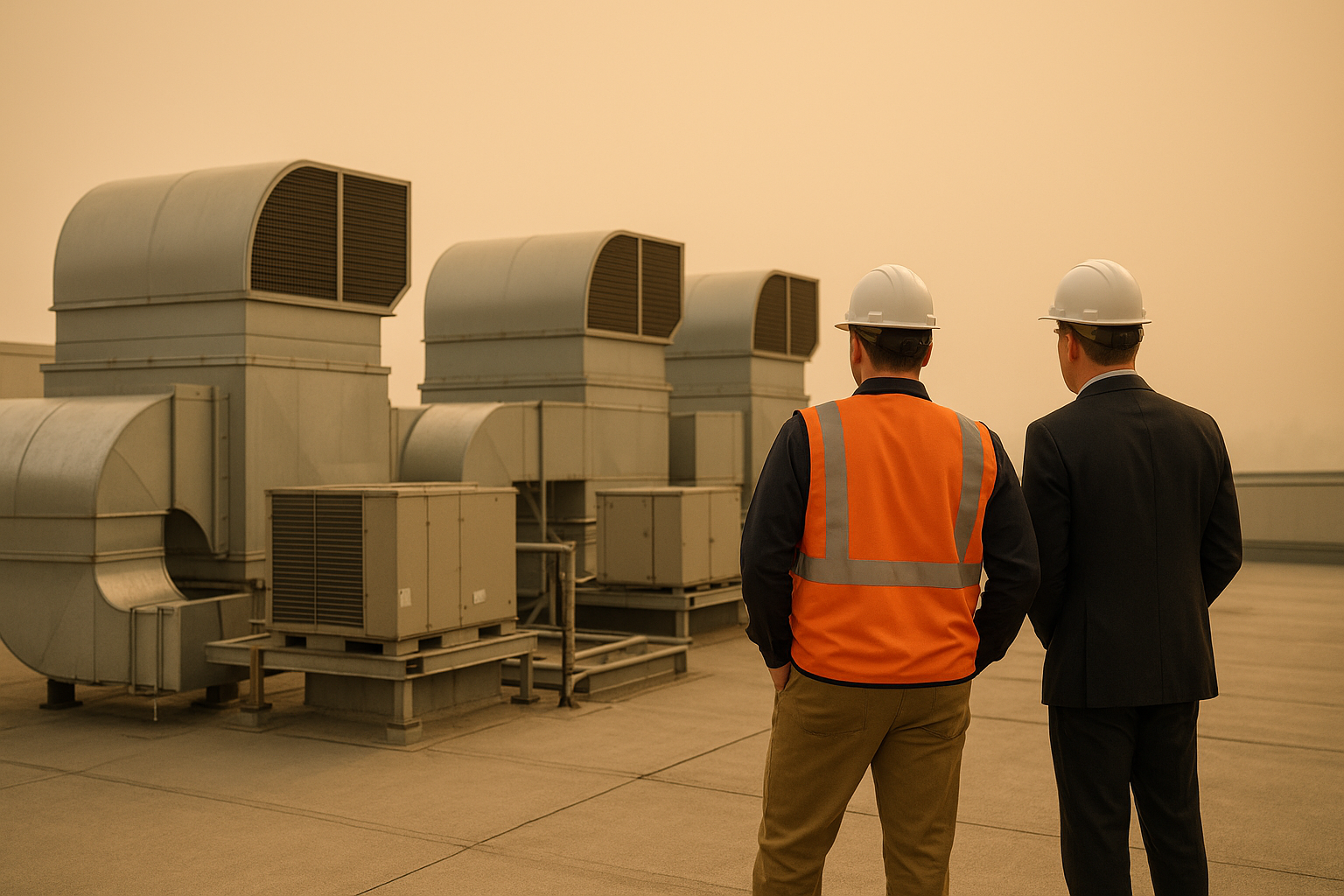
Improve wildfire smoke HVAC compliance with intake controls, filter checks, documentation, and respirator planning under 29 CFR 1910.134.
Published: June 25, 2026 · By SafetyNet Editorial Team
Updated: June 27, 2026
Category: Industrial Safety
Frequently Asked Questions
Why do HVAC outdoor air intakes matter during wildfire smoke events?
Outdoor air intakes can pull smoke, fine particles, and odors directly into occupied spaces when outside air quality drops. That makes intake management part of exposure control, not just comfort.
What rules apply to wildfire smoke and indoor air protection at commercial facilities?
The post says two requirements commonly come into play: OSHA respiratory protection under 29 CFR 1910.134 and, for California employers, Cal/OSHA Title 8 Section 5141.1. California sites also need procedures for air quality monitoring, employee communication, and reducing harmful exposure.
Should we rely on HVAC controls before giving employees respirators for wildfire smoke?
Yes. The post recommends using building controls first to reduce smoke entry, then following respirator requirements if exposures still require protection.
What HVAC actions help reduce indoor smoke exposure during a wildfire event?
The post recommends identifying and documenting all outdoor air intakes, reviewing whether building automation can reduce outside air during severe smoke, and checking filters, seals, and maintenance issues. It also calls for inspecting doors and other openings, verifying pressure relationships, and setting response triggers for escalation.
What should a wildfire smoke response plan include before peak season?
A site plan should define who monitors outdoor air quality, what source or index is used, what building settings change at different smoke levels, and when employees are notified. It should also cover maintenance and filter support, when to relocate or pause work, how respirator decisions are documented, and how HVAC systems return to normal after conditions improve.