10 Practical Ways AI Can Strengthen Your EHS Program and Reduce Risk
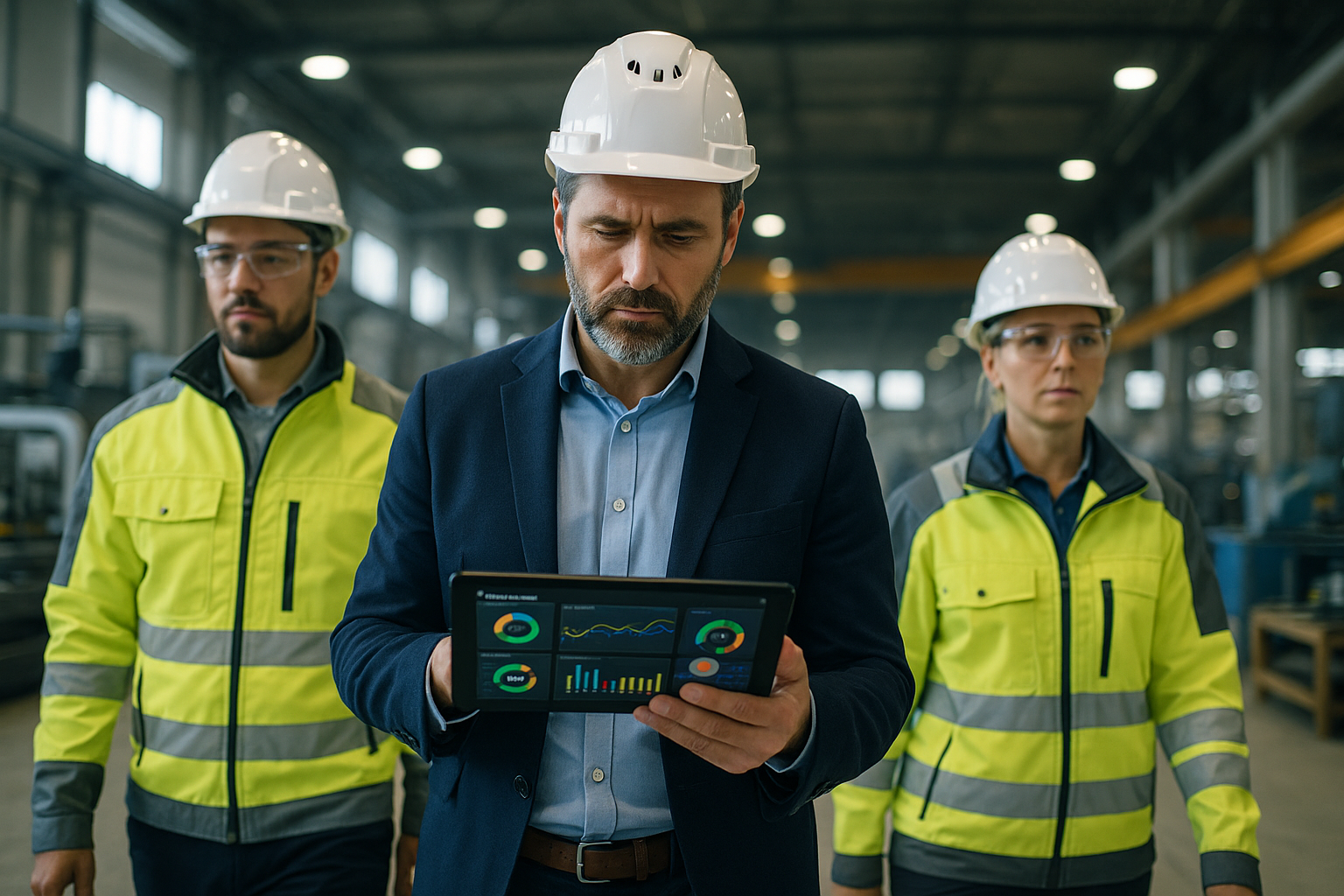
Learn 10 practical ways AI can strengthen your EHS program, improve trend visibility, and reduce risk with better data, follow-through, and governance.
Published: June 28, 2026 · By SafetyNet Editorial Team
Category: Industrial Safety
Frequently Asked Questions
What is the best first AI use case for an EHS team?
Start with one high-friction process that already slows your team down, such as incident trend review, corrective-action tracking, inspection analysis, or finding procedures quickly. The best first use case is one with clear data and a visible operational payoff.
Can AI replace hazard assessments or supervisor judgment?
No. The article recommends using AI to support decisions, standardize routine work, and surface patterns, while keeping human review in place for hazard recognition, compliance decisions, and site-specific controls.
How can AI help reduce risk without automating everything?
It can reduce risk by improving visibility and follow-through in specific workflows. Examples include grouping near-miss trends, prioritizing corrective actions, improving inspections, and strengthening pre-task planning.
What should safety leaders put in place before scaling AI?
They should build governance first by standardizing data fields, cleaning up records, controlling document versions, protecting sensitive data, and defining which outputs need approval. Good data and clear review rules are what make AI reliable.
What are the main mistakes to avoid with AI in EHS?
Avoid using AI output without checking it against site conditions, relying on generic content instead of task-specific analysis, and mistaking dashboards for actual risk reduction. Poor data quality and weak rollout training are also common problems.