How AI and Robotics Are Changing Workplace Hazard Mitigation
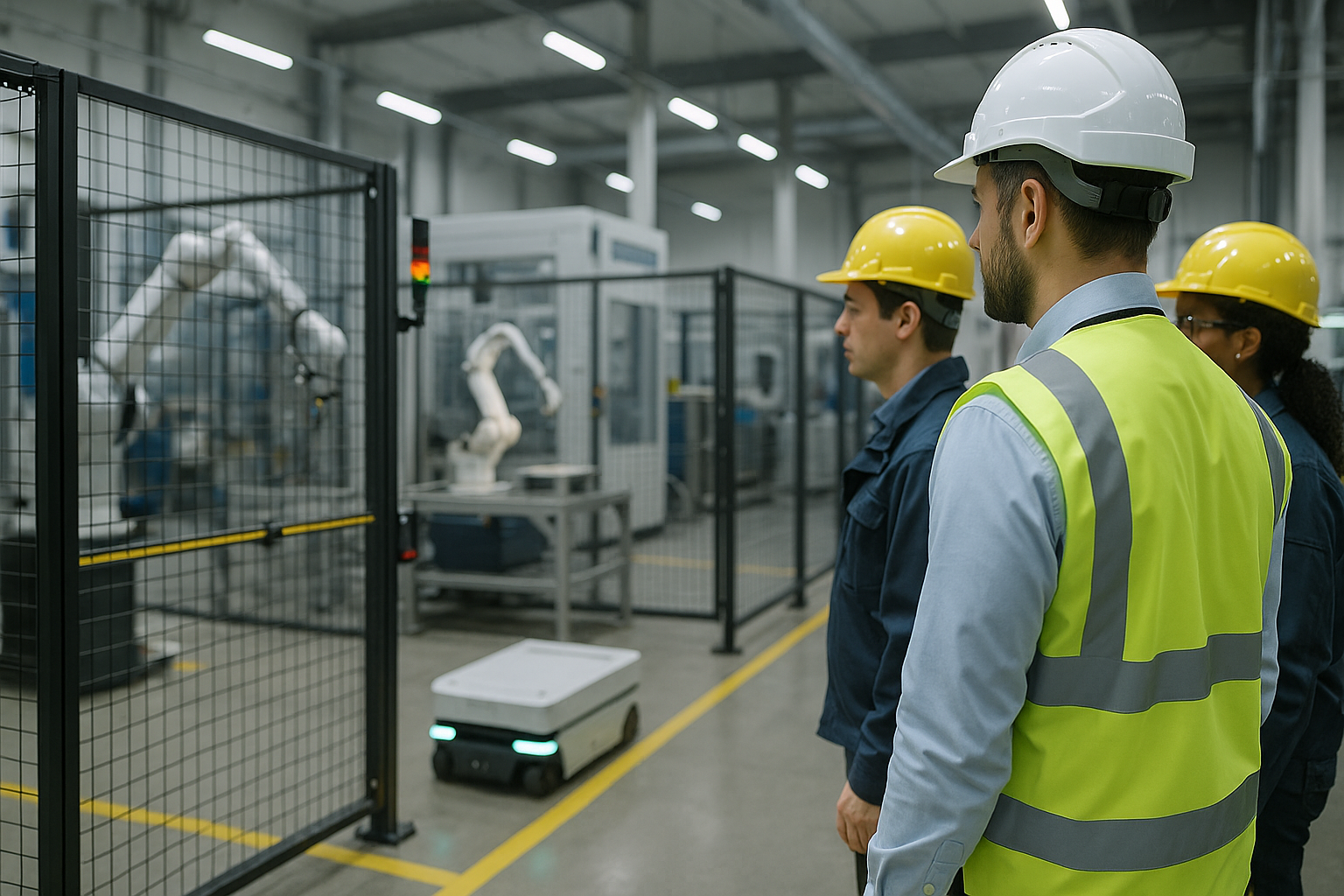
AI and robotics change workplace hazard mitigation by adding software and sensor risks. Reassess interfaces, MOC, guarding, and lockout.
Published: June 30, 2026 · By SafetyNet Editorial Team
Category: Industrial Safety
Frequently Asked Questions
Do OSHA machine safety rules still apply when equipment uses AI or robotics?
Yes. OSHA machine guarding, hazardous energy control, and electrical safe work requirements still apply to automated and robotic systems. The article’s main point is that EHS teams must apply those rules to both physical hazards and automation behavior.
What should we review first when adding robotic or AI-enabled equipment?
Start with tasks where people and automation share space or interact directly. Manual loading, jam clearing, troubleshooting, maintenance, and mobile equipment routes are usually the first places to reassess.
Why is management of change so important for automation?
Because software, sensor, and logic changes can alter risk even when the equipment looks unchanged. EHS should review programming, vision settings, routes, interfaces, and procedures before changes go live.
Does robotics reduce hazards or create new ones?
Both. Robotics can remove workers from high-risk tasks, but it can also introduce unexpected motion, sensor failures, unclear restart conditions, and new maintenance exposures.
What training matters most around AI and robotics?
Operators, maintenance staff, supervisors, and affected employees should all understand machine state, safe access, fault recovery, restart controls, and when safeguards must not be bypassed. Training should cover both normal operation and abnormal conditions.