OSHA, NFPA, and ANSI Requirements for Aerospace Safety in 2026
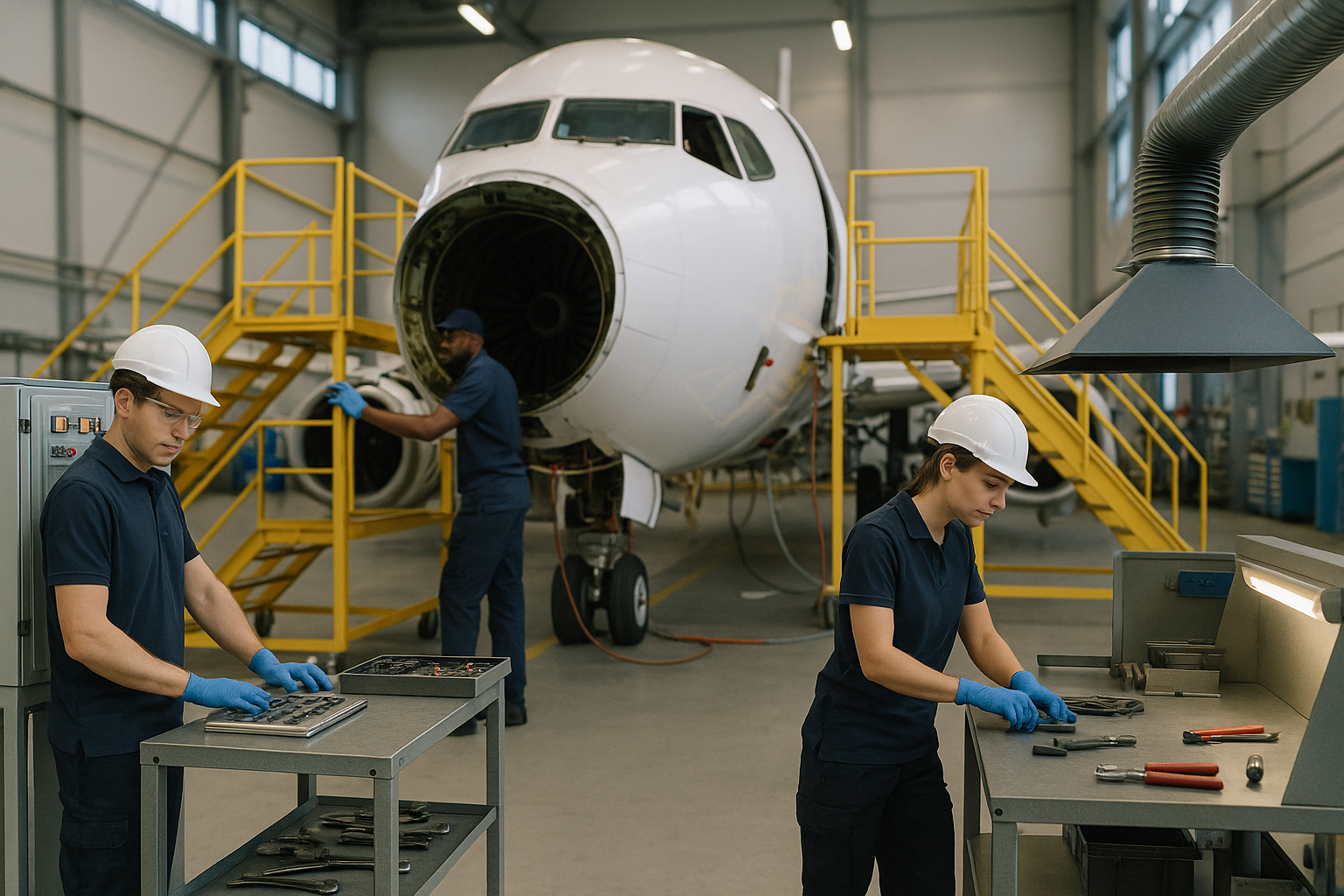
Learn how to align OSHA, NFPA, and ANSI requirements for aerospace safety in 2026, with a practical crosswalk for high-risk tasks and controls.
Published: July 1, 2026 · By SafetyNet Editorial Team
Category: Industrial Safety
Frequently Asked Questions
Does OSHA have one standard just for aerospace safety?
No. Aerospace employers usually need to follow multiple OSHA standards based on the task, such as PPE, lockout/tagout, electrical safety, ventilation, and hazard communication.
Why do NFPA and ANSI standards matter if OSHA is enforceable?
OSHA sets the legal baseline, while NFPA and ANSI standards often provide the accepted work-practice detail that helps employers build effective procedures and programs.
Which aerospace hazards should EHS managers review first in 2026?
Start with electrical work, hazardous materials, machine servicing, and elevated access. These areas often involve overlapping hazards and benefit from a standards crosswalk.
How should an aerospace site organize its compliance review?
Use a task-based approach. Match each job to the applicable OSHA requirement, identify any relevant NFPA or ANSI standard, and then verify the field practice matches the written procedure.
What makes aerospace safety programs break down even when procedures exist?
Common issues include procedure drift, informal troubleshooting, and inconsistent contractor practices. Regular observations, inspections, and role-based training help close those gaps.