Rack Anchoring: A Practical Guide to OSHA 1910.176 and ANSI MH16.1
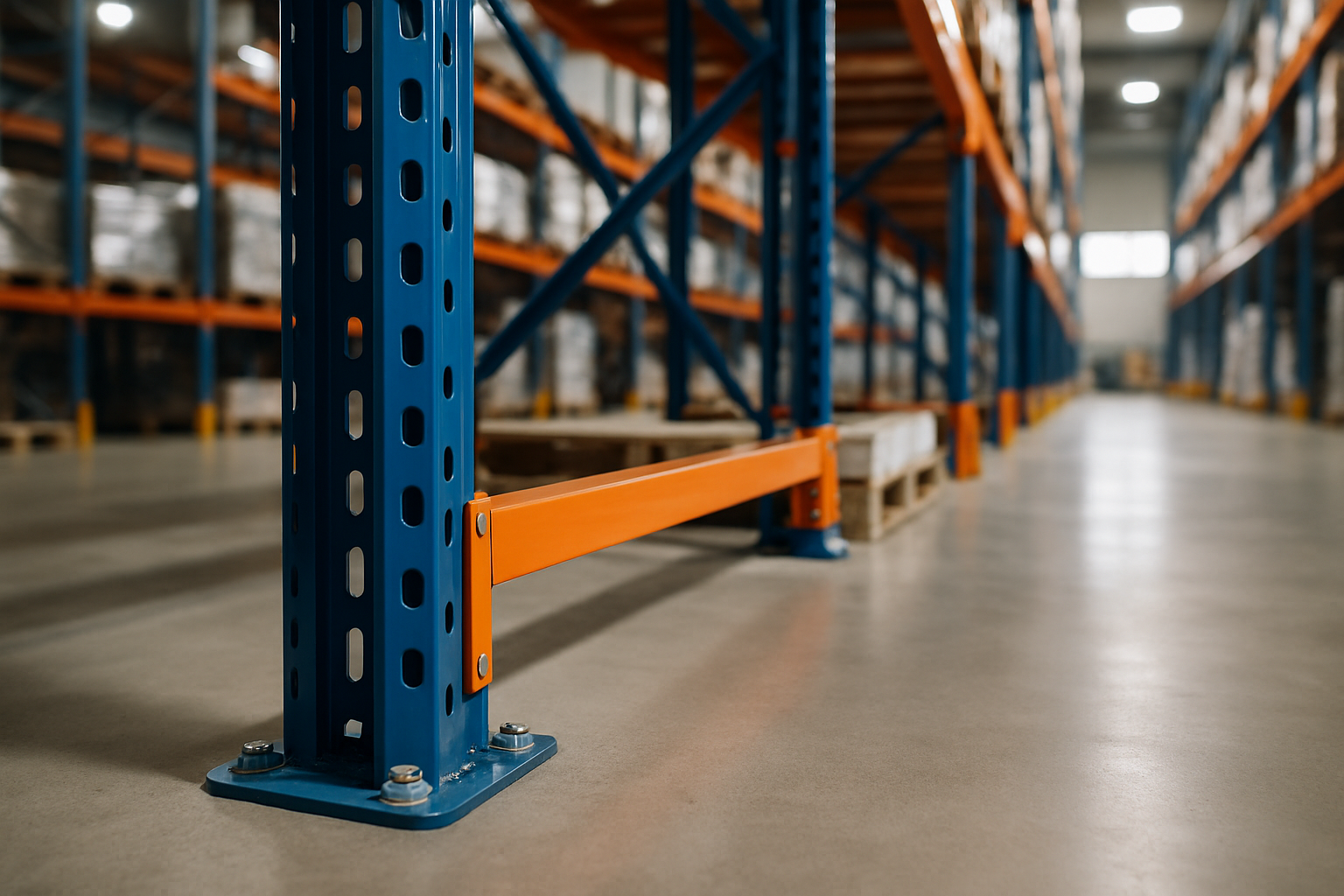
Learn how OSHA 29 CFR 1910.176 and ANSI MH16.1 apply to rack anchoring, inspections, repairs, and storage system changes.
Published: June 23, 2026 · By SafetyNet Editorial Team
Updated: June 27, 2026
Category: Industrial Safety
Frequently Asked Questions
Does OSHA require pallet racks to be anchored?
The post says OSHA 1910.176 is not a rack design manual, but it does require stored materials to be stable and secure against sliding or collapse. If your rack system depends on anchors to stay stable and secure, anchoring is part of meeting that expectation.
What should I check during a rack anchoring inspection?
Look for missing anchors, loose or damaged anchors, cracked or spalled concrete, uprights out of plumb, and signs of forklift impact near columns and footplates. Also check for unauthorized modifications, moved or reconfigured rack rows, damaged guarding, and load plaques that are missing or inconsistent with current use.
Can maintenance replace rack anchors or modify rack without review?
The post says anchor type, quantity, placement, and slab condition may depend on the manufacturer’s requirements and the original system design. Replacing anchors, relocating rack, or changing load profiles should be treated as a design-control issue, not just a quick maintenance task.
What are common mistakes that increase rack anchoring risk?
Common mistakes include treating missing anchors as minor, reusing damaged components after impact, allowing field modifications without review, and ignoring floor deterioration at base plates. The post also warns against expanding storage capacity or changing configurations without confirming the rack is still suitable.
What should I do if a rack bay is damaged or has missing anchors?
Address damage or missing components promptly and prevent employees from using visibly compromised rack bays. The post recommends marking and isolating damaged bays until they are evaluated, then confirming repairs follow the applicable design and manufacturer guidance.