Silica Control Plans for Mining, Fabrication, and Foundries in 2026
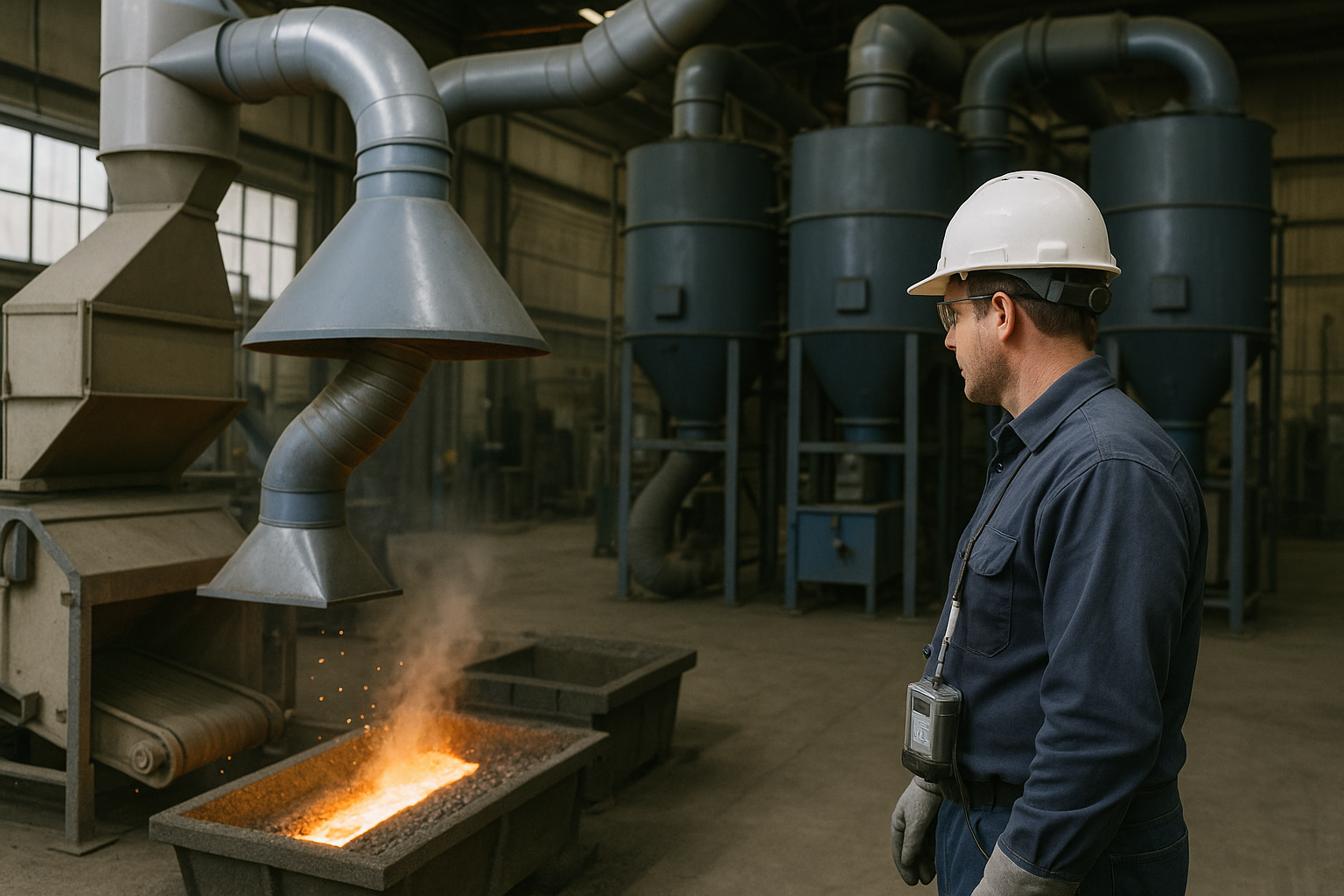
Build a stronger silica control plan in 2026 with task-based controls, 29 CFR 1910.1053 compliance, and NIOSH Method 7500 monitoring.
Published: June 24, 2026 · By SafetyNet Editorial Team
Updated: June 27, 2026
Category: Industrial Safety
Frequently Asked Questions
What should a silica control plan include for mining, fabrication, or foundry work?
It should identify the materials, tasks, and job roles with silica exposure potential, along with the engineering controls and work practices for each task. It should also address when respirators are needed, how housekeeping will be handled, and how exposure assessment, training, medical surveillance, and records will be managed.
What controls should come first for silica dust?
The post says to prioritize engineering and work practice controls before relying on respirators. Common examples include local exhaust ventilation, process enclosure, wet methods, controlled airflow, remote operation, and vacuum cleanup with appropriate filtration.
How is NIOSH Method 7500 used in a silica program?
It is used to measure crystalline silica in air samples and verify whether controls are working during real operations. The post recommends using it as part of a repeatable monitoring strategy and sampling under normal operating conditions.
When should silica air sampling be repeated?
Sampling should be repeated when materials, processes, controls, or schedules change. The post also says to reassess after equipment changes, new products, refractory work, maintenance shutdowns, or production increases.
Why do silica controls fail even when equipment is installed?
The post says controls often fail when they are disconnected, poorly positioned, clogged, bypassed, or not used consistently. Other common issues include poor airflow, damaged ducting or hose, overloaded filters, dust leakage, ineffective wet suppression, and housekeeping methods that spread settled dust.